
Best Mops for Linoleum Floors: Top Picks for Sparkling Clean Surfaces
Maintaining linoleum floors requires the right tools to keep them looking their best. The ideal mop for linoleum should effectively clean without causing damage to the floor’s delicate surface. With numerous options available, choosing the best mop for linoleum floors involves considering factors like mop type, material, and ease of use. Some mops are designed to offer deep cleaning without excessive moisture which can harm linoleum, while others are favored for their microfiber heads that attract and hold dirt and debris efficiently.
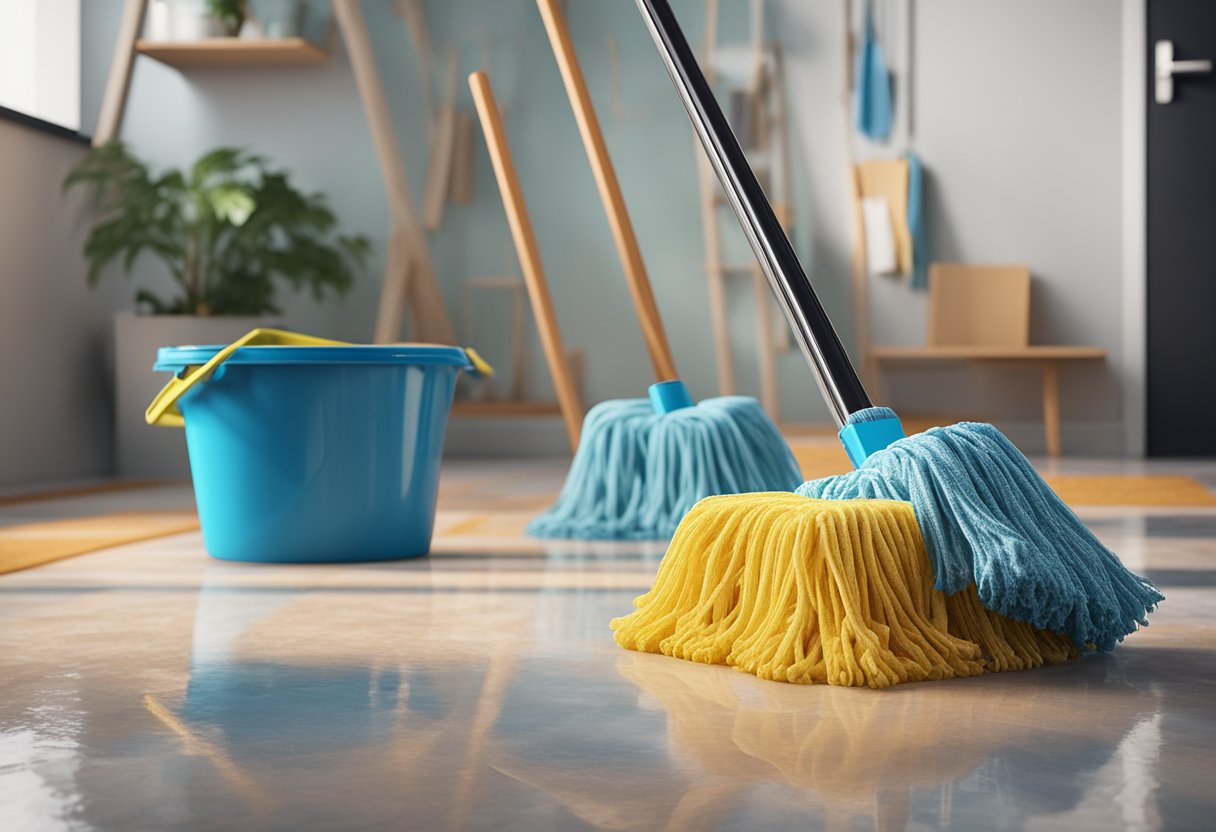
Mops suitable for linoleum floors come in various styles, including spin, spray, and steam mops. Spin mops, like the O-Cedar EasyWring Spin Mop, are lauded for their budget-friendly pricing and low profile design. Meanwhile, spray mops provide a convenient cleaning solution by allowing users to target specific areas with a fine mist of cleaning solution. For those seeking a more thorough clean without the use of chemicals, steam mops use heated water to tackle grime and sanitize floors. It’s important to select a mop that not only cleans effectively but also helps to extend the life of linoleum flooring through gentle maintenance.
Types of Mops Suitable for Linoleum Floors
When it comes to maintaining linoleum floors, selecting the right mop is crucial for effective cleaning without causing damage. Various types of mops offer specific benefits suited for the delicate surface of linoleum.
Flat Mops
Flat mops are characterized by a flat, rectangular head covered with a microfiber mop pad, which is ideal for daily dusting and light mopping. They are gentle on linoleum and offer an easy-to-use design for quick cleanups.
Mop and Buckets
Traditional mop and bucket systems often come with a spin mop feature, allowing users to control the moisture level when cleaning linoleum. The microfiber mop heads included with these systems are effective for deeper cleaning.
Self-Wringing Mops
Self-wringing mops enable better control over the amount of water applied to the floor, which is essential for linoleum care. They limit the exposure to excessive moisture, protecting the integrity of the flooring.
Spray Mops
Spray mops come with an attached refillable bottle and a trigger, dispensing a fine mist ahead of the mop pad. The microfiber pads of spray mops glide smoothly over linoleum, picking up dirt with minimal water use.
Sponge Mops
Scrubbing stubborn spots with a sponge mop is made efficient thanks to their highly absorbent heads. For linoleum, choosing a sponge mop with a softer texture can prevent scratches.
Electric Mops
Electric mops offer a powered cleaning experience with less effort. Their rotating or vibrating mop heads paired with microfiber pads can provide a thorough yet gentle clean for linoleum floors.
Steam Mops
Steam mops utilize steam to sanitize floors, but caution is advised with linoleum as high heat may damage the material. It is recommended to choose a steam mop with adjustable settings to ensure a safe cleaning temperature.
Robot Mops
For hands-free maintenance, robot mops are equipped with advanced technology to navigate and clean floors autonomously. While they’re gentle on linoleum, it’s essential to ensure they do not leave behind excessive water.
Vacuum-Mop Hybrids
Vacuum-mop hybrids combine the functions of vacuuming and mopping to offer a complete floor cleaning solution. When used on linoleum, it’s important to use settings that avoid harsh scrubbing and control the distribution of water.
Key Features to Look for in a Mop
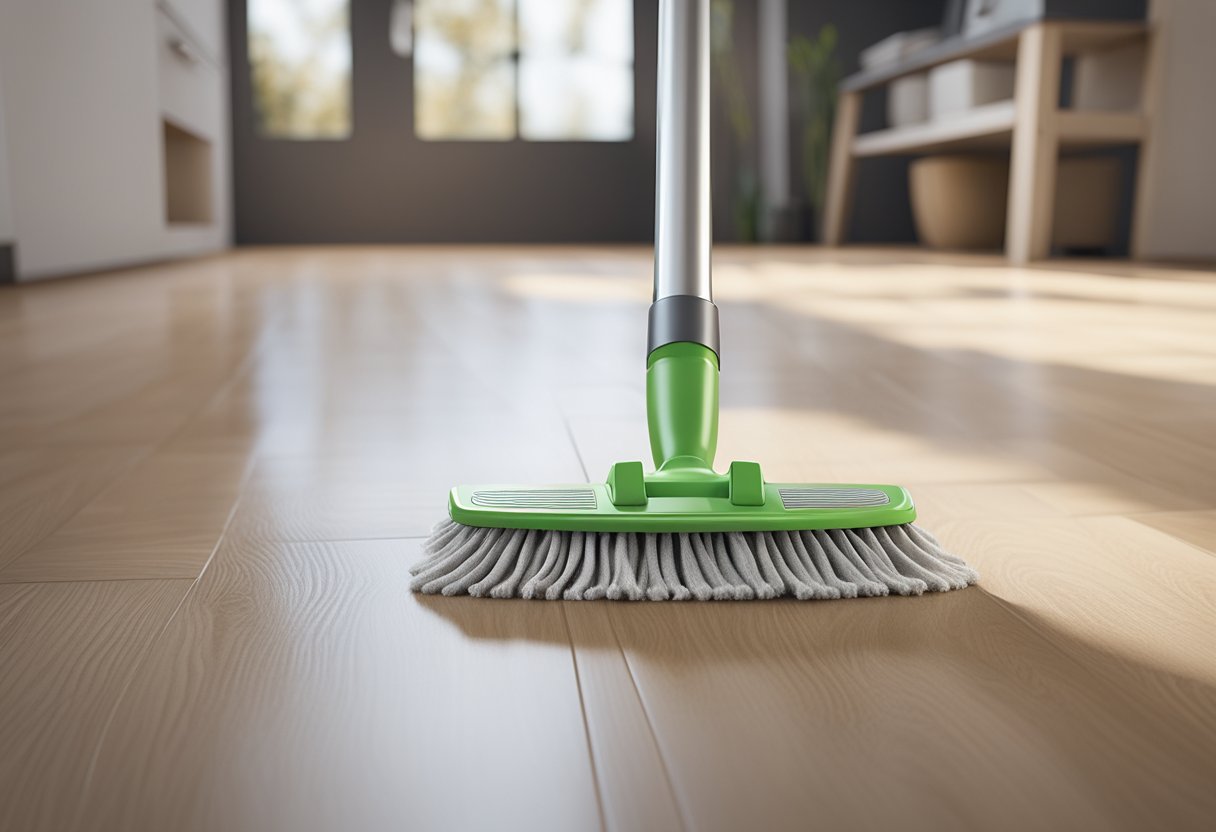
When selecting a mop for linoleum floors, certain features can significantly enhance the mopping experience. Focusing on material absorbency, ease of use, and long-term maintenance will guide in making an informed choice.
Material and Absorbency
Mops with microfiber pads are known for being highly absorbent and gentle on linoleum floors. These pads effectively trap dirt and can often be machine washed, ensuring long-term usability and hygiene. Sponge heads are another option that can hold ample cleaning solution, although they may require more frequent replacement.
Ease of Use and Maneuverability
A lightweight mop enhances maneuverability, making it easier to cover large areas or navigate around furniture. Look for models with swiveling heads and telescoping handles to improve reach and comfort. Mops that come with a built-in wringer or a bucket bearing a splash guard can facilitate a more efficient cleaning process without the mess.
Mop Durability and Maintenance
Durability in a mop is often linked to the quality of materials such as microfiber loops and robust handle construction. Mops with technology like a splash guard or advanced wringing mechanisms can provide additional durability. For convenience, select mops that have machine-washable components to make the maintenance process straightforward.
Frequently Asked Questions (FAQs)
When it comes to maintaining linoleum floors, certain questions often arise regarding the best practices for mopping, cleaning agents to use, and methods to tackle tough stains. The FAQs below provide targeted responses to common inquiries surrounding the upkeep of linoleum flooring.
Can you mop lino floors?
Yes, one can mop linoleum floors. It’s important to use a mop with a soft microfiber or sponge head to prevent scratching. Regular mopping with warm water and a mild detergent helps keep linoleum floors in top condition.
Can you use a steam mop on linoleum?
Using a steam mop on linoleum floors is typically discouraged. Steam can potentially cause warping and damage to the adhesive beneath the linoleum. For best care practices, refer to the manufacturer’s guidelines before using a steam mop.
What is the best floor cleaner for linoleum?
The best floor cleaner for linoleum is one that is pH-neutral to avoid damaging the surface. Solutions like the Rubbermaid Reveal Spray Microfiber Mop can provide an effective clean without leaving a residue.
How do you clean a really dirty linoleum floor?
To clean a really dirty linoleum floor, begin by sweeping or vacuuming to remove debris. Then, mop with a mixture of hot water and a few drops of dish soap or a specialized linoleum floor cleaner. For tough stains, applying a baking soda paste for a few minutes before gently scrubbing can be effective.
Why is my linoleum floor still dirty after mopping?
If a linoleum floor remains dirty after mopping, it may be due to using dirty mop water, an overly concentrated cleaner, or not thoroughly rinsing the floor. Ensure the mop is well-wrung and the water is changed frequently during the cleaning process.
Can I use bleach to clean my linoleum floors?
Bleach should typically be avoided as it can discolor linoleum flooring. However, for disinfection purposes, a diluted bleach solution (about one part bleach to 10 parts water) can be used sparingly. Always rinse the floor thoroughly with plain water after cleaning with bleach.
Conclusion
Selecting the right mop for linoleum floors is crucial for maintaining their appearance and longevity. Linoleum flooring demands gentle yet effective cleaning tools to prevent damage. Based on comprehensive reviews and expert opinions, several mops stand out for their efficiency and suitability for linoleum.
- O-Cedar EasyWring Spin Mop: Renowned for its budget-friendly price and ability to reach tough corners, it includes a built-in wringer and splash guard, enhancing the cleaning process.
- Bissell Powerfresh Mop: Comes with reusable mopping pads, suitable for users looking for an economic and eco-friendly option.
- Gladwell Cordless Mop: Boasts an ultra-thin base that is easy to store and maneuver around furniture.
- E-cloth Clean Mop: Utilizes precision-engineered microscopic fibers, designed for deep cleaning without causing harm to the linoleum surface.
Those in search of the best mops for linoleum floors should consider these options. Each has been tailored to address the unique needs of linoleum, ensuring that floors remain pristine and well-kept after every clean. Consumers are encouraged to evaluate these recommendations to find the mop that best aligns with their individual preferences and requirements.

- Can You Use a Clothes Steamer on Your Hair? - August 20, 2025
- Best Way to Clean Your Car Engine with a Steam Cleaner - August 20, 2025
- Conair Steamer Not Working? - August 20, 2025